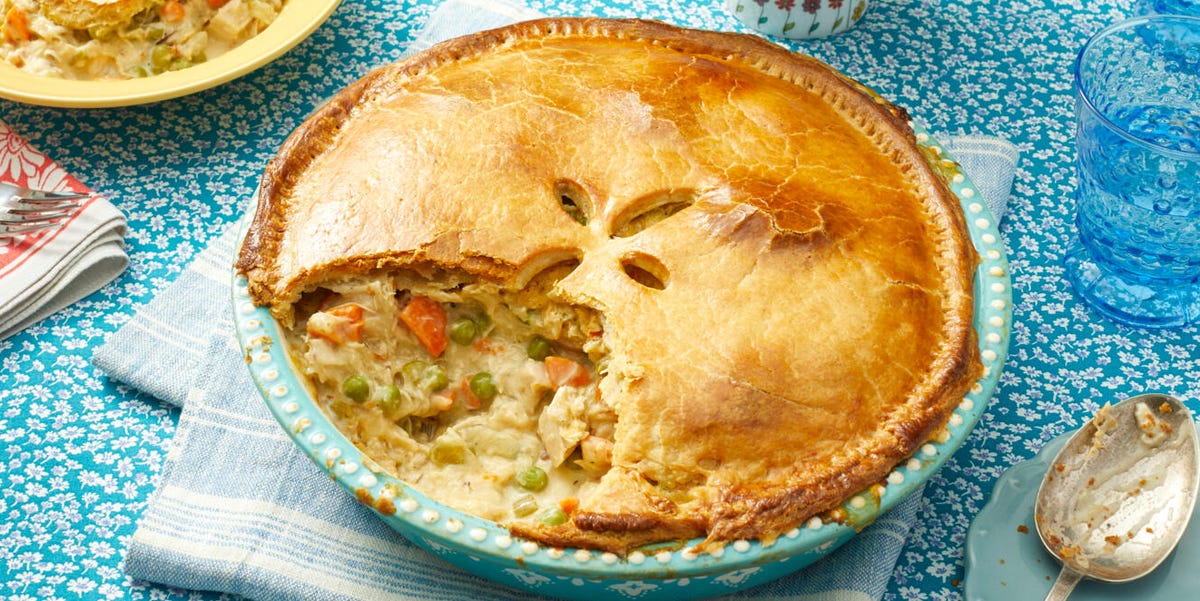
Turkey Pot Pie: From Ancient Roots to Modern Comfort Meal
Few dishes evoke the warmth and nostalgia of home quite like a classic
turkey potpie. This savory, golden-crusted delight, overflowing with tender turkey and a medley of vegetables in a rich, creamy sauce, is the epitome of comfort food. While often associated with cozy winter evenings and ingenious ways to transform holiday leftovers, the story of the potpie is far older than most might imagine. It’s a culinary journey that spans continents and centuries, evolving from a simple, practical meal into the beloved modern staple we cherish today.
The Enduring Legacy: Tracing Turkey Pot Pie's Ancient Origins
While it might seem as distinctly American as apple pie, the humble potpie boasts a heritage that stretches back to antiquity. Its roots can be traced all the way to ancient civilizations, proving that the concept of encasing meat and vegetables in a doughy crust is a timeless culinary innovation.
The ancient Greeks were among the first to embrace meat pies, though their versions often featured only a bottom crust, serving more as a hearty bowl for their fillings. The Romans, ever the innovators, soon adopted and adapted this concept, evolving it into the top-crusted pies that more closely resemble what we know today. These Roman pies were often grand affairs, sometimes even featuring live birds within the crusts for dramatic effect at banquets – a far cry from our cozy
turkey potpie!
As centuries passed, the tradition of baking savory pies traveled across Europe, finding particular favor in Britain and England. Here, they were often cooked directly in a pot, leading to the "pot pie" moniker. These early European versions were practical, hearty meals designed to sustain families through long days and cold winters, using whatever meats and vegetables were readily available. The potpie, in essence, was one of the original "one-pot meals," providing sustenance, warmth, and flavor in a single, convenient package. This rich history underscores why potpies, and particularly our cherished
turkey potpie, continue to resonate as a symbol of comfort and sustenance across generations.
What Makes a Perfect Turkey Pot Pie? The Anatomy of Comfort
The magic of a truly exceptional
turkey potpie lies in the harmonious blend of its core components: a flaky, buttery crust, a robust, creamy sauce, and a generous filling of tender turkey and garden vegetables. Each element plays a crucial role in creating that unforgettable taste and texture.
*
The Star: Cooked Turkey. The beauty of a turkey potpie often begins with leftovers. Whether it's the succulent remnants of a Thanksgiving roast or the flavorful meat from a Sunday dinner, pre-cooked turkey is the ideal base. It’s a brilliant way to give new life to holiday turkey, offering a second act that's just as delicious as the main event. While turkey is traditional, the flexibility of this dish means you can easily substitute with chicken, making it a versatile option year-round.
*
The Vegetable Medley. A classic
turkey potpie often features a vibrant mix of diced carrots, celery, onions, and potatoes. These foundational vegetables add sweetness, earthy notes, and textural contrast. For added convenience and a pop of color, many home cooks also incorporate frozen peas, corn, or green beans. Fresh herbs like parsley and oregano (and often thyme or sage) elevate the flavor profile, infusing the dish with an aromatic depth that is simply irresistible.
*
The Heart of the Matter: Creamy Sauce. This is where the true comfort factor lies. A rich, savory sauce binds all the ingredients together, enveloping them in a luscious embrace. Typically made from a roux (butter and flour) combined with milk, broth, or bouillon, the sauce achieves a perfect thickness that coats every piece of turkey and every vegetable. Seasoned judiciously with salt, pepper, and sometimes a hint of poultry seasoning, it’s the savory glue that makes each bite heavenly.
*
The Golden Crown: The Crust. A flaky, buttery crust is non-negotiable for a truly authentic potpie. While some recipes feature both a top and bottom crust, many modern versions opt for just a top crust, allowing the filling to shine. Whether you choose a homemade, all-butter pie crust for an unparalleled taste and texture, or opt for the convenience of store-bought pastry dough or puff pastry, the crust provides that delightful crunch and golden finish that signals pure indulgence. The subtle steam vents in the top crust are not just practical; they're an invitation to the delicious gift waiting inside.
Crafting Your Own Culinary Masterpiece: A Step-by-Step Guide with Modern Twists
Creating your own
turkey potpie from scratch is a rewarding experience, and it’s surprisingly approachable, especially with a few smart shortcuts. Here’s how you can bring this ancient comfort food to your modern table:
1.
Preheat and Prep: Begin by preheating your oven to 425°F (220°C). If using a bottom crust, roll it out and gently place it into a 10-inch pie pan, setting it aside while you prepare the filling.
2.
Sauté the Aromatics: In a large skillet, melt 2 tablespoons of butter. Add your diced onion, celery, carrots, along with fresh parsley and oregano, a pinch of salt, and a dash of pepper. Cook and stir these until they are softened but still retain a slight bite – you don't want them mushy. This step builds the foundational flavors of your pie.
3.
Build the Base: Stir in bouillon and water to the vegetables, bringing the mixture to a boil. Then, add your diced potatoes and cook until they are tender but still firm. Partially cooking the potatoes now ensures they won't be undercooked in the final pie.
4.
Create the Creamy Turkey Mixture: In a separate medium saucepan, melt the remaining 2 tablespoons of butter. Stir in an equal amount of flour to create a roux, cooking it for a minute or two to eliminate any raw flour taste. Gradually whisk in milk until smooth, then add your cooked turkey. Heat this mixture through until it begins to thicken.
5.
Combine and Fill: Gently stir the creamy turkey mixture into your vegetable mixture. Continue to cook for a few minutes until the entire filling is thick and luscious. Pour this warm, savory filling into your prepared unbaked pie shell.
6.
Top and Bake: Roll out your top pie crust and carefully place it over the filling. Flute the edges to seal the two crusts together and create a beautiful finish. Don't forget to make four small slits in the top crust – these are crucial for allowing steam to escape during baking, preventing a soggy crust and ensuring even cooking.
7.
Bake to Golden Perfection: Bake in the preheated oven for 15 minutes. This initial high heat helps the crust become beautifully golden and flaky. Then, reduce the oven temperature to 350°F (175°C) and continue baking for another 20 minutes, or until the crust is a rich golden brown. The lower temperature ensures the filling cooks through without over-browning the crust.
For those busy weeknights or when time is of the essence, remember that convenience is key. Using ready-made pastry dough and a bag of frozen mixed vegetables can significantly cut down on prep time without sacrificing flavor. You can find more ideas for quick preparation in our guide,
Easy Turkey Pot Pie: Simple Recipe with Time-Saving Shortcuts.
Beyond the Basics: Tips for the Ultimate Turkey Pot Pie Experience
Elevating your
turkey potpie from simply good to truly unforgettable is easier than you think. Here are some insights and practical tips:
*
Embrace Leftovers: While this article often refers to turkey, remember that leftover roast chicken works just as wonderfully. This versatility makes potpie a year-round solution for turning a previous meal into an entirely new delight. For an in-depth look at making the most of your holiday bird, check out
Leftover Turkey Pot Pie: The Ultimate Comfort Food Guide.
*
Flavor Boosters: Don't be afraid to experiment! A splash of dry white wine or a tablespoon of Dijon mustard can add a subtle depth to your sauce. A pinch of nutmeg can bring out the creaminess, while a sprinkle of fresh thyme or rosemary complements the poultry beautifully. Consider sautéing a few mushrooms with your other vegetables for an extra layer of umami.
*
Individual Servings: For charming individual portions, consider baking your potpie in ramekins or small oven-safe bowls. Simply top each with a small circle of pie crust or puff pastry. This not only looks impressive but also makes for easy serving and portion control.
*
Freezing for Later: Potpies are fantastic for meal prep! You can assemble the entire pie (with an unbaked crust) and freeze it before baking. Wrap it tightly in plastic wrap and then foil. When ready to bake, place it directly from the freezer into a preheated oven, adding an extra 30-45 minutes to the baking time. Alternatively, bake it completely, let it cool, then freeze slices or the whole pie. Thaw and reheat gently.
*
Crust Perfection: For an extra golden and slightly crispier crust, brush the top with an egg wash (one egg beaten with a tablespoon of water) before baking.
Conclusion
From the rudimentary meat pies of ancient Greece and Rome to the comforting, golden-crusted dish gracing modern tables, the
turkey potpie has journeyed through history, continually adapting to become a timeless culinary classic. It’s more than just a meal; it’s a testament to ingenuity, a celebration of warmth, and an invitation to gather around the table. Whether you're making it from scratch with homemade components or embracing clever shortcuts, the appeal of a bubbling, savory potpie with its flaky crust remains undeniable. So, the next time you have leftover turkey, or simply crave a dish that feels like a warm hug, remember the rich heritage of the turkey potpie and create your own comforting masterpiece.